Enhancing Longevity with Effective Hardware Insertion Techniques
2024-05-30
**Introduction**
In the fast-paced world of electronics manufacturing, ensuring the longevity of electronic components is crucial for reliable performance and customer satisfaction. One key aspect of achieving this goal is through the implementation of durable hardware insertion practices. By carefully selecting the right materials, tools, and techniques, manufacturers can significantly extend the lifespan of their products and minimize the risk of failures. In this article, we will explore the best strategies for enhancing longevity through effective hardware insertion practices.
**Why Hardware Insertion Matters**
Hardware insertion plays a critical role in the overall performance and reliability of electronic components. Properly installed hardware ensures secure connections, prevents loosening or damage, and maintains structural integrity. By following best practices for hardware insertion, manufacturers can reduce the risk of premature failure and costly repairs down the line. Additionally, durable hardware insertion practices can enhance the overall quality and durability of the final product, leading to increased customer satisfaction and brand reputation.
**Key Considerations for Hardware Insertion**
When it comes to hardware insertion, there are several key considerations that manufacturers must keep in mind to ensure longevity and reliability. From selecting the right materials to using the proper tools and techniques, attention to detail is essential in achieving optimal results. Here are some essential factors to consider:
**Material Selection**
Choosing the right materials for hardware insertion is crucial in ensuring durability and longevity. High-quality materials such as stainless steel, brass, and aluminum are known for their strength and corrosion resistance, making them ideal choices for hardware components. It is important to consider the environmental conditions and operational requirements of the electronic device when selecting materials to ensure compatibility and reliability.
**Tooling and Equipment**
Using the proper tools and equipment is essential for successful hardware insertion. The use of precision tools such as torque wrenches, screwdrivers, and insertion machines can help prevent overtightening, stripping, or damaging hardware components. Investing in high-quality tooling and equipment can significantly improve the efficiency and accuracy of hardware insertion processes, leading to better results and reduced risk of errors.
**Installation Techniques**
Implementing effective installation techniques is key to achieving durable hardware insertion. Proper alignment, positioning, and fastening are critical factors that contribute to the longevity and reliability of hardware components. Manufacturers should follow manufacturer guidelines and best practices for hardware installation to ensure secure connections and prevent potential issues such as vibration, shock, or thermal cycling.
**Quality Control and Testing**
Conducting thorough quality control and testing procedures is essential in verifying the integrity and functionality of hardware components. Inspecting for proper alignment, tightness, and overall performance can help identify any potential issues or defects early on, allowing for timely corrections and improvements. Regular testing and inspection of hardware components can help ensure consistent quality and reliability throughout the manufacturing process.
**FAQs**
1. What are the benefits of durable hardware insertion practices?
Durable hardware insertion practices can enhance the longevity and reliability of electronic components, leading to improved performance and customer satisfaction.
2. How can material selection impact hardware insertion?
Choosing the right materials for hardware insertion is crucial in ensuring durability and compatibility with environmental conditions and operational requirements.
3. Why is quality control important in hardware insertion?
Quality control helps verify the integrity and functionality of hardware components, ensuring consistent quality and reliability in the final product.
**Conclusion**
In conclusion, ensuring longevity through durable hardware insertion practices is essential for achieving optimal performance and reliability in electronic components. By following best practices for material selection, tooling, installation techniques, and quality control, manufacturers can enhance the durability and lifespan of their products. Investing in high-quality materials, tools, and equipment, and implementing effective installation techniques can significantly improve the overall quality and reliability of electronic components. By prioritizing durability and longevity in hardware insertion practices, manufacturers can deliver products that meet and exceed customer expectations, leading to increased satisfaction and loyalty.
Related News
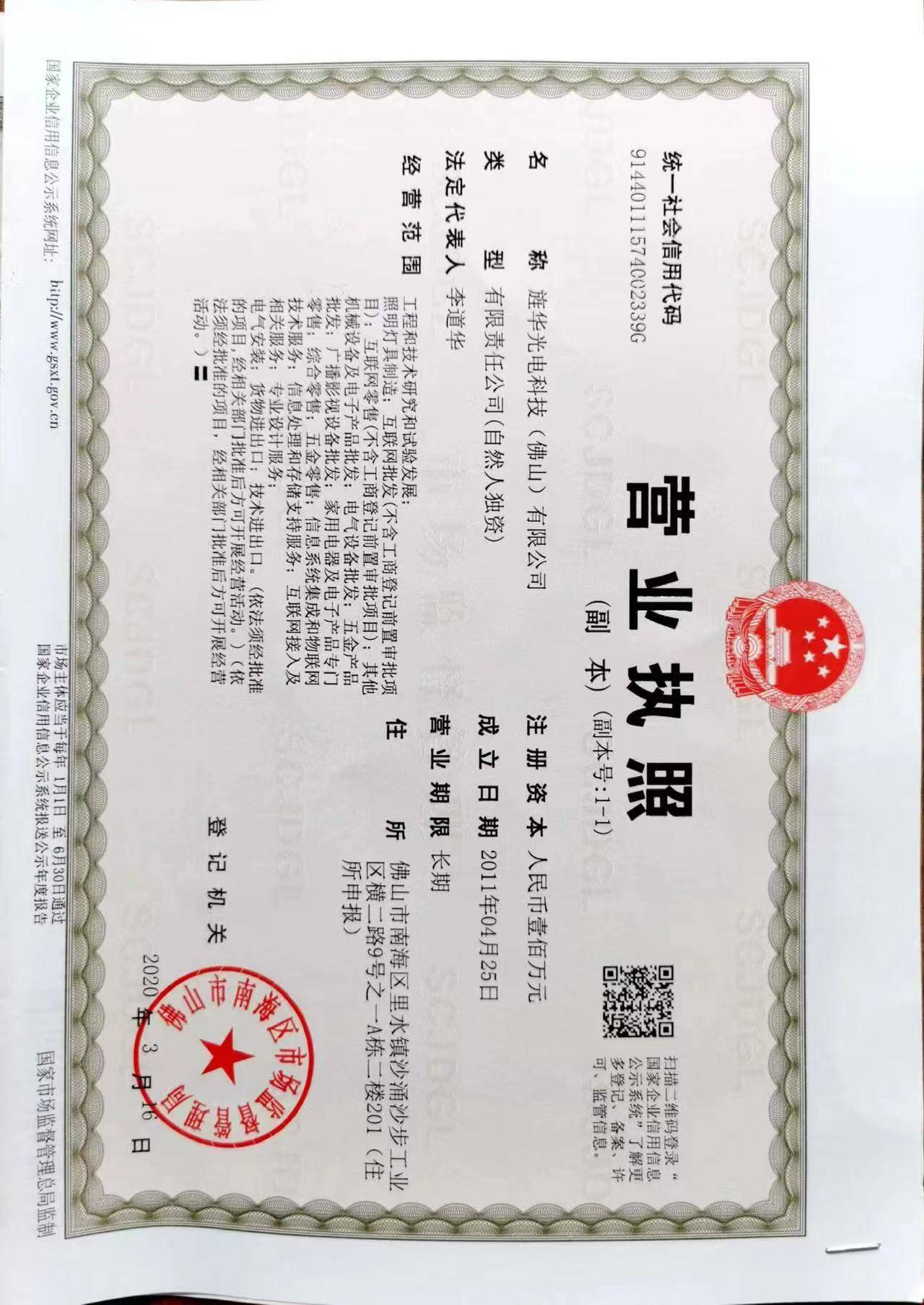
Jinghua optoelectronic technology (foshan) co.,Ltd
Address: 201, 2nd Floor, Building A, No.9 Heng Er Road, Sha Bu Industrial Zone, Sha Chung, Lishui Town, Nanhai District, Foshan City, China (residence declaration)
TEL:15920366596
FAX:0757-85107703
E-MAIL:jhang@xangsanecn.com

Copyright © 2023 jinghua optoelectronic technology (foshan) co.,Ltd