Why Metal Shell Decoder Data Cables Are Essential for Digital Connectivity
2024-09-22
Why Metal Shell Decoder Data Cables Are Essential for Digital Connectivity
Table of Contents
- Introduction to Metal Shell Decoder Data Cables
- Understanding Data Cables: A Brief Overview
- The Importance of Metal Shell in Data Cables
- Key Benefits of Metal Shell Decoder Data Cables
- Applications of Metal Shell Decoder Data Cables in Modern Technology
- Comparing Metal Shell Decoder Data Cables with Other Cable Types
- Choosing the Right Metal Shell Decoder Data Cable
- Frequently Asked Questions
- Conclusion: The Future of Digital Connectivity
Introduction to Metal Shell Decoder Data Cables
In today's fast-paced digital world, the demand for reliable and efficient data transmission is at an all-time high. **Metal shell decoder data cables** have emerged as a crucial component, ensuring seamless connectivity between devices. These cables not only facilitate the transfer of data but also enhance the overall performance of digital systems, making them indispensable in various applications.
Understanding Data Cables: A Brief Overview
Data cables are the backbone of digital communication. They serve as conduits for transmitting data between devices, enabling everything from simple file transfers to complex network communications. While many types of data cables exist, such as USB, HDMI, and Ethernet, metal shell decoder data cables stand out due to their unique construction and functionality.
What Are Metal Shell Decoder Data Cables?
Metal shell decoder data cables are specially designed connectors that feature a robust metal casing. This casing provides enhanced durability and protection against environmental factors, such as electromagnetic interference (EMI) and physical damage. The decoder aspect refers to their ability to convert signals from one format to another, making them versatile for various digital devices.
The Importance of Metal Shell in Data Cables
The metal shell in decoder data cables is not just for aesthetics; it plays a pivotal role in the cable's functionality. The robust casing contributes to several critical aspects of digital connectivity.
Enhanced Durability
One of the primary benefits of a metal shell is its durability. Unlike plastic or rubber casings, which can wear down over time, metal shells can withstand rigorous use and harsh environments. This longevity makes them ideal for both personal and industrial applications.
Protection Against Interference
Metal shells significantly reduce the risk of EMI, which can disrupt data transmission. By shielding the internal wires, these cables maintain signal integrity, ensuring a clear and uninterrupted flow of information.
Improved Heat Dissipation
Metal is an excellent conductor of heat, which means that metal shell decoder data cables can dissipate heat more effectively than their plastic counterparts. This feature helps prevent overheating, especially during extended usage periods, thereby prolonging the life of the cable and connected devices.
Key Benefits of Metal Shell Decoder Data Cables
Understanding the benefits of metal shell decoder data cables can help users make informed decisions about their connectivity needs.
Superior Performance
These cables are designed for high-speed data transmission, making them suitable for activities requiring large bandwidths, such as video streaming and gaming. The metal shell enhances performance by maintaining a stable connection.
Versatility
Metal shell decoder data cables can be used across a wide range of devices, including computers, gaming consoles, and audio/visual equipment. Their adaptability makes them a one-stop solution for various digital connectivity needs.
Cost-Effectiveness
Although metal shell decoder data cables may have a higher initial cost compared to plastic options, their durability and longevity translate into cost savings over time. Users spend less on replacements and repairs, making them a wise investment.
Applications of Metal Shell Decoder Data Cables in Modern Technology
As technology advances, the applications for metal shell decoder data cables continue to expand. Their robust design and superior performance make them a preferred choice in several industries.
Consumer Electronics
In consumer electronics, these cables are commonly used to connect devices such as TVs, gaming consoles, and home theaters. They provide high-definition audio and video signals, ensuring an optimal viewing experience.
Networking Solutions
In networking, metal shell decoder data cables play a crucial role in connecting routers, switches, and other essential equipment. Their ability to handle high data loads makes them ideal for both home and enterprise networking.
Industrial Applications
Industrial environments often involve harsh conditions that can damage standard cables. Metal shell decoder data cables are built to withstand such environments, making them suitable for manufacturing, automation, and other industrial applications.
Comparing Metal Shell Decoder Data Cables with Other Cable Types
To appreciate the value of metal shell decoder data cables, it's essential to compare them with other common cable types.
Plastic vs. Metal Shell Cables
While plastic cables are more affordable, they lack the durability and EMI protection that metal shell cables offer. Metal cables are more reliable in high-demand situations, making them a better long-term investment.
USB Cables
USB cables are ubiquitous, but not all USB cables are created equal. Metal shell USB cables provide additional shielding and durability compared to standard USB cables, making them ideal for applications that require frequent plugging and unplugging.
Choosing the Right Metal Shell Decoder Data Cable
Selecting the right metal shell decoder data cable is crucial for achieving optimal performance. Here are some considerations to keep in mind.
Assessing Compatibility
Ensure that the cable is compatible with your devices. Check the specifications of both the cable and the devices you intend to use to avoid any connectivity issues.
Length Matters
The length of the cable can impact performance. Longer cables may experience signal degradation, so choose a length that suits your setup while maintaining optimal performance.
Check for Certifications
Look for cables that meet industry standards and certifications. This ensures that the cable has been tested for quality and performance.
Frequently Asked Questions
1. What is the primary advantage of using metal shell decoder data cables?
The primary advantage is their durability and ability to protect against electromagnetic interference, leading to improved signal integrity.
2. Can metal shell decoder data cables be used for charging devices?
Yes, many metal shell decoder data cables are designed to support both data transfer and charging functions.
3. Are metal shell decoder data cables more expensive than plastic ones?
Yes, they typically cost more upfront, but their durability and longevity can make them more cost-effective in the long run.
4. How do I know if a data cable is compatible with my device?
Check the specifications of both the cable and your device. Compatibility information is usually listed on the packaging or the manufacturer’s website.
5. Can I use a longer metal shell decoder data cable without losing performance?
While longer cables can lead to signal degradation, choosing high-quality cables and staying within reasonable lengths minimizes this risk.
Conclusion: The Future of Digital Connectivity
Metal shell decoder data cables are essential for ensuring reliable and efficient digital connectivity in an increasingly interconnected world. Their durability, protection against interference, and versatility make them a valuable investment for both personal and industrial applications. As technology evolves, the need for high-performance data cables will only continue to grow, underscoring the importance of choosing the right cables for your connectivity needs. Embrace the benefits of metal shell decoder data cables and ensure your digital communication is seamless and effective.
Related News
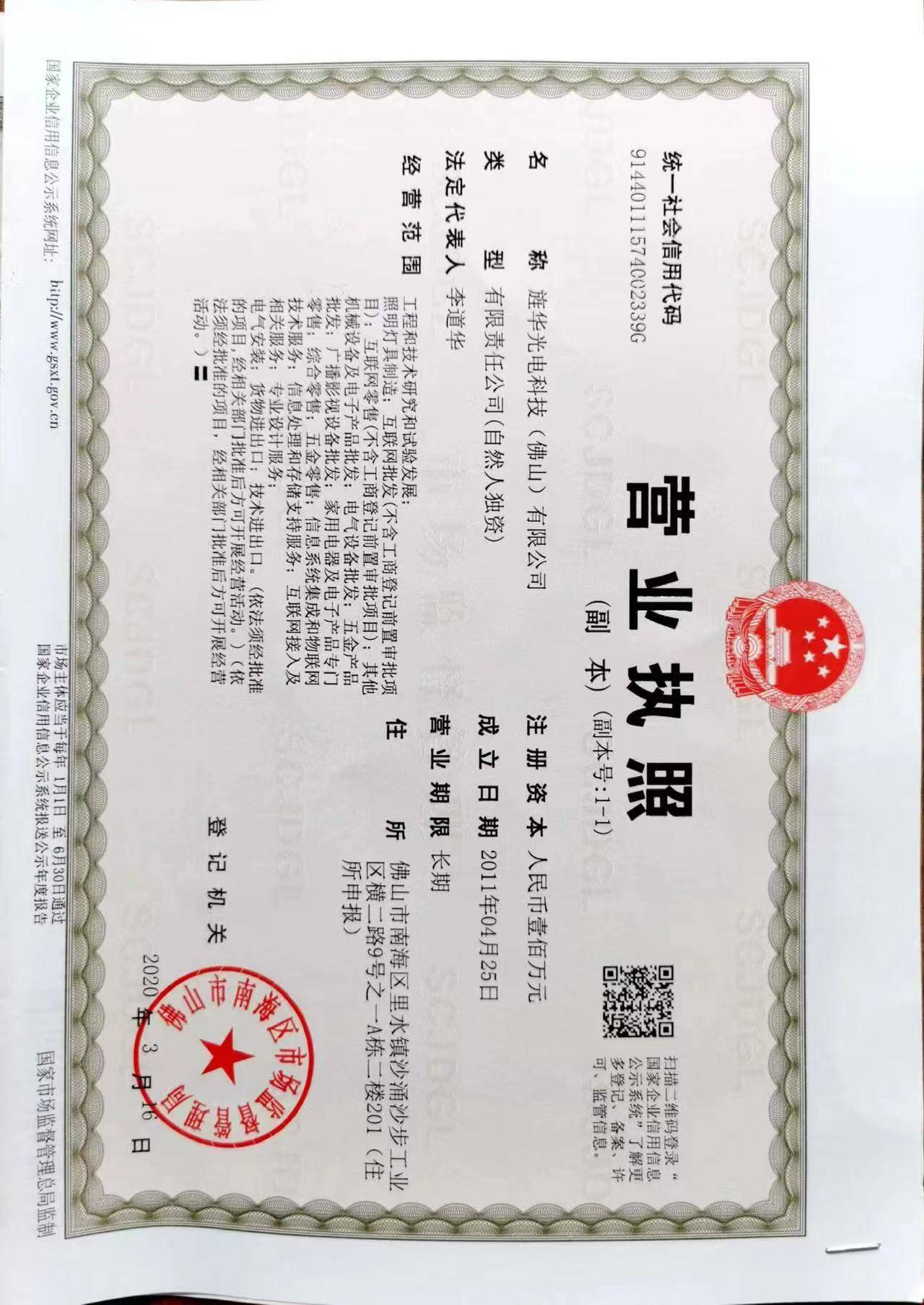
Jinghua optoelectronic technology (foshan) co.,Ltd
Address: 201, 2nd Floor, Building A, No.9 Heng Er Road, Sha Bu Industrial Zone, Sha Chung, Lishui Town, Nanhai District, Foshan City, China (residence declaration)
TEL:15920366596
FAX:0757-85107703
E-MAIL:jhang@xangsanecn.com

Copyright © 2023 jinghua optoelectronic technology (foshan) co.,Ltd