Understanding the Benefits of Metal Shell Decoder Data Cables
2024-09-23
In today's fast-paced technological landscape, maintaining reliable connectivity is essential for professionals who rely on digital devices. One innovative solution gaining traction is the metal shell decoder data cable. This article aims to provide insight into what these cables are, their advantages, and how they can positively impact your data transfer needs.
A metal shell decoder data cable is designed to transmit data between various digital devices while providing enhanced durability and protection against environmental factors. The metal shell construction serves multiple purposes, primarily reinforcing the cable's integrity and reducing the likelihood of wear and tear. This is particularly important in high-use environments where cables are frequently connected and disconnected.
One of the primary benefits of using metal shell decoder data cables is their superior shielding capabilities. The metal casing helps to shield the internal wiring from electromagnetic interference (EMI) and radio frequency interference (RFI). This shielding is crucial for maintaining high-quality signal integrity, especially when transferring large amounts of data or using high-bandwidth applications. For professionals engaged in tasks that require precision and speed, such as video editing or data analysis, the need for reliable and consistent data transfer cannot be overstated.
Another notable feature of metal shell decoder data cables is their resistance to physical damage. The robust design ensures that these cables can withstand bends, twists, and occasional drops without compromising their functionality. This makes them particularly suitable for professionals who are often on the move or working in dynamic environments, such as photographers, videographers, and IT specialists.
Furthermore, the metal shell design often includes improved connectors that provide a secure fit and reduce the risk of accidental disconnections. This feature is vital in preventing workflow interruptions, especially during critical tasks. Additionally, many metal shell decoder data cables are designed for easy plug-and-play functionality, allowing for quick and hassle-free connections between devices.
When choosing a metal shell decoder data cable, it is essential to consider factors such as compatibility with your devices, data transfer speed requirements, and overall length. Ensuring that you select the right cable can significantly enhance your digital experience and streamline your professional tasks.
In conclusion, incorporating metal shell decoder data cables into your toolkit can be a game-changer for professionals seeking reliable and efficient connectivity solutions. Their durability, shielding capabilities, and secure connections make them an excellent choice for anyone looking to improve their data transfer processes. As technology continues to evolve, investing in high-quality cables like these will help ensure that you stay ahead in an increasingly digital world.
A metal shell decoder data cable is designed to transmit data between various digital devices while providing enhanced durability and protection against environmental factors. The metal shell construction serves multiple purposes, primarily reinforcing the cable's integrity and reducing the likelihood of wear and tear. This is particularly important in high-use environments where cables are frequently connected and disconnected.
One of the primary benefits of using metal shell decoder data cables is their superior shielding capabilities. The metal casing helps to shield the internal wiring from electromagnetic interference (EMI) and radio frequency interference (RFI). This shielding is crucial for maintaining high-quality signal integrity, especially when transferring large amounts of data or using high-bandwidth applications. For professionals engaged in tasks that require precision and speed, such as video editing or data analysis, the need for reliable and consistent data transfer cannot be overstated.
Another notable feature of metal shell decoder data cables is their resistance to physical damage. The robust design ensures that these cables can withstand bends, twists, and occasional drops without compromising their functionality. This makes them particularly suitable for professionals who are often on the move or working in dynamic environments, such as photographers, videographers, and IT specialists.
Furthermore, the metal shell design often includes improved connectors that provide a secure fit and reduce the risk of accidental disconnections. This feature is vital in preventing workflow interruptions, especially during critical tasks. Additionally, many metal shell decoder data cables are designed for easy plug-and-play functionality, allowing for quick and hassle-free connections between devices.
When choosing a metal shell decoder data cable, it is essential to consider factors such as compatibility with your devices, data transfer speed requirements, and overall length. Ensuring that you select the right cable can significantly enhance your digital experience and streamline your professional tasks.
In conclusion, incorporating metal shell decoder data cables into your toolkit can be a game-changer for professionals seeking reliable and efficient connectivity solutions. Their durability, shielding capabilities, and secure connections make them an excellent choice for anyone looking to improve their data transfer processes. As technology continues to evolve, investing in high-quality cables like these will help ensure that you stay ahead in an increasingly digital world.
Related News
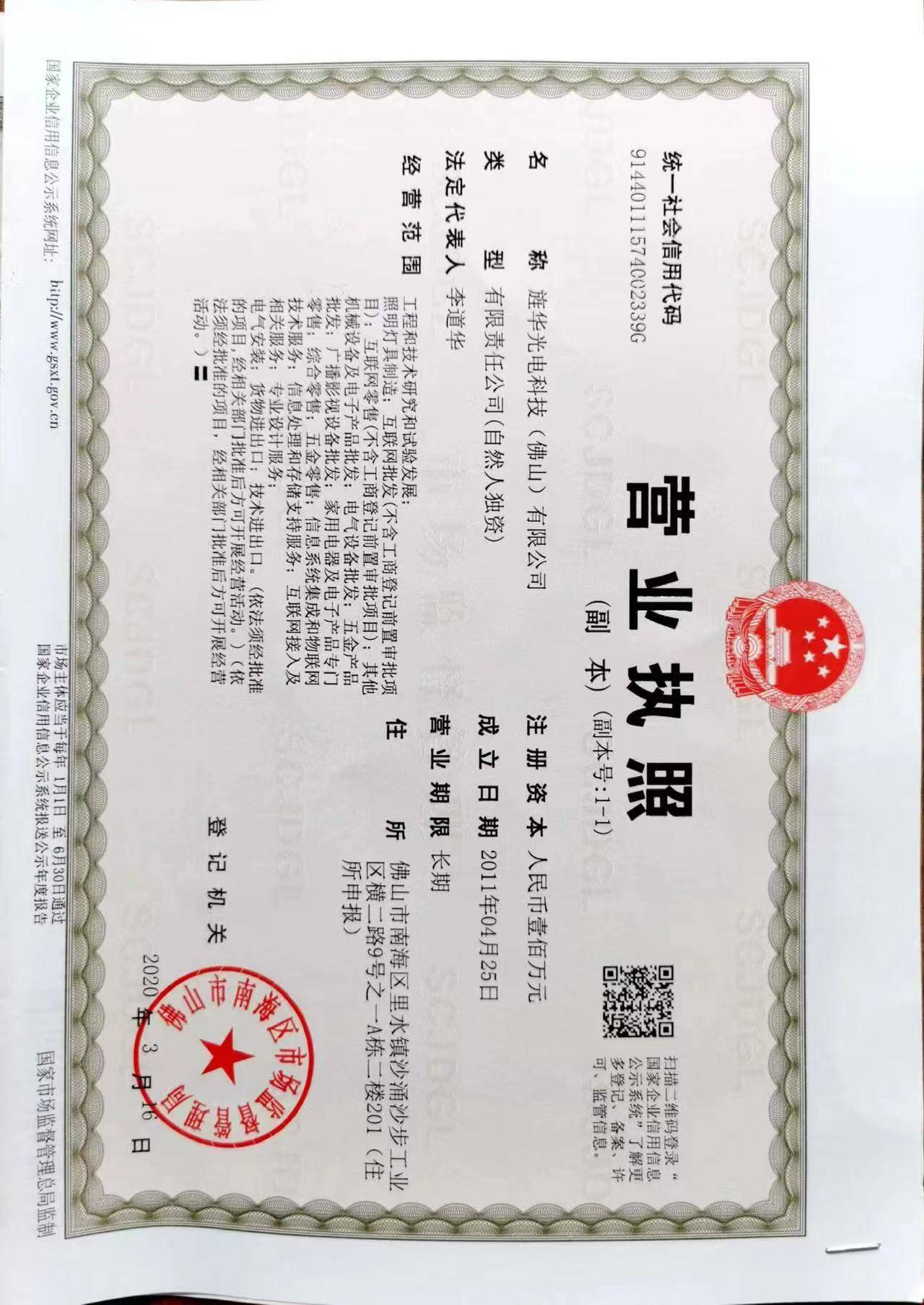
Jinghua optoelectronic technology (foshan) co.,Ltd
Address: 201, 2nd Floor, Building A, No.9 Heng Er Road, Sha Bu Industrial Zone, Sha Chung, Lishui Town, Nanhai District, Foshan City, China (residence declaration)
TEL:15920366596
FAX:0757-85107703
E-MAIL:jhang@xangsanecn.com

Copyright © 2023 jinghua optoelectronic technology (foshan) co.,Ltd