Exploring the Role of Single Crystal Copper Stripes in Advancing Optoelectronic Technologies
2024-12-01
Exploring the Role of Single Crystal Copper Stripes in Advancing Optoelectronic Technologies
Table of Contents
- 1. Introduction to Optoelectronic Technologies
- 2. Understanding Single Crystal Copper Stripes
- 3. Key Properties of Single Crystal Copper Stripes
- 4. Applications of Single Crystal Copper Stripes in Optoelectronics
- 5. Advantages Over Traditional Materials
- 6. Challenges in Utilizing Single Crystal Copper Stripes
- 7. Future Prospects and Research Directions
- 8. Conclusion
- 9. Frequently Asked Questions (FAQs)
1. Introduction to Optoelectronic Technologies
Optoelectronics is an interdisciplinary field that merges optics and electronics, focusing on devices that source, detect, and control light. As technology advances, the demand for more efficient and powerful optoelectronic components has surged. This article aims to explore how **single crystal copper stripes** are playing a pivotal role in pushing the boundaries of optoelectronic technologies. By leveraging the unique properties of these materials, researchers are finding innovative solutions to enhance device performance.
2. Understanding Single Crystal Copper Stripes
Single crystal copper stripes consist of highly pure copper that has been crystallized into a single structure. This uniformity allows for superior electrical and thermal conductivity compared to polycrystalline materials. These stripes are manufactured through advanced techniques like **molecular beam epitaxy (MBE)** and **sputtering**, which ensure a high degree of crystallinity.
The importance of single crystal structures extends beyond just conductivity; their mechanical properties and microstructure can significantly influence the performance of optoelectronic devices. Therefore, understanding their formation and attributes is crucial for engineers and researchers in the field.
3. Key Properties of Single Crystal Copper Stripes
Single crystal copper stripes exhibit several key properties that make them ideal for optoelectronic applications:
3.1 Electrical Conductivity
Single crystal copper displays exceptional electrical conductivity, which reduces resistance and energy losses in electronic components. This property is particularly important in high-speed applications where performance is critical.
3.2 Thermal Conductivity
The thermal conductivity of single crystal copper is significantly higher than that of traditional materials. This trait allows for better heat dissipation in devices, improving their lifespan and performance.
3.3 Mechanical Strength
Single crystal structures possess higher mechanical strength than their polycrystalline counterparts, making them more resilient to physical stress and wear, which is beneficial in various applications.
3.4 Optical Properties
Single crystal copper can interact with light in ways that are advantageous for optoelectronics, such as in the development of photodetectors and light-emitting devices. Understanding these optical properties opens up new avenues for innovation in the field.
4. Applications of Single Crystal Copper Stripes in Optoelectronics
Single crystal copper stripes are increasingly being integrated into various optoelectronic devices. Here are some notable applications:
4.1 Photovoltaic Cells
In the realm of solar energy, single crystal copper stripes enhance the efficiency of photovoltaic cells. By improving the conductivity and reducing resistive losses, these stripes contribute to higher energy conversion rates.
4.2 Light Emitting Diodes (LEDs)
LED technology has benefited from the incorporation of single crystal copper stripes. The superior thermal management properties allow LEDs to operate at higher efficiencies, producing more light with less energy consumption.
4.3 Sensors and Detectors
Single crystal copper stripes are utilized in various sensors and photodetectors due to their excellent optical properties and responsiveness to light. This application is critical in fields such as telecommunications and environmental monitoring.
4.4 Quantum Dots and Nanostructures
In advanced optoelectronic devices, single crystal copper plays a role in the fabrication of quantum dots and nanostructures. These components are essential for next-generation devices that require precise control of electron states and light interaction.
5. Advantages Over Traditional Materials
The advantages of using single crystal copper stripes over traditional materials can be summarized as follows:
5.1 Enhanced Performance
Devices constructed with single crystal copper stripes demonstrate improved performance metrics such as speed, efficiency, and longevity, making them more desirable for high-tech applications.
5.2 Reduced Manufacturing Costs
Although the initial investment in single crystal technologies can be high, the long-term savings due to reduced energy consumption and enhanced device lifespans often outweigh these costs.
5.3 Versatility in Applications
The versatility of single crystal copper stripes allows them to be employed in a wide range of optoelectronic devices, from consumer electronics to industrial applications, thereby broadening their market reach.
6. Challenges in Utilizing Single Crystal Copper Stripes
Despite their advantages, the use of single crystal copper stripes is not without challenges:
6.1 Scalability Issues
The manufacturing processes for single crystal structures can be complex and expensive, presenting scalability challenges for mass production.
6.2 Integration with Existing Technologies
Integrating single crystal copper stripes into existing device architectures requires careful consideration of compatibility with other materials and fabrication processes.
6.3 Environmental Impact
The environmental impact of mining and processing copper must be addressed. Researchers are exploring sustainable practices in the production of single crystal materials to minimize ecological footprints.
7. Future Prospects and Research Directions
The future of single crystal copper stripes in optoelectronics looks promising, with several avenues for research and development:
7.1 Advanced Fabrication Techniques
Emerging fabrication techniques could enhance the scalability and reduce costs associated with single crystal copper production, making them more accessible for widespread use.
7.2 Hybrid Materials
Research into hybrid materials that combine single crystal copper with other advanced materials could lead to even more efficient and versatile optoelectronic devices.
7.3 Sustainable Practices
As sustainability becomes a priority, innovations focusing on environmentally friendly manufacturing processes will likely drive the adoption of single crystal technologies.
8. Conclusion
Single crystal copper stripes represent a significant leap forward in optoelectronic technologies. By understanding their unique properties and applications, we can appreciate their role in developing more efficient and effective devices. While challenges remain, ongoing research and innovation promise to unlock the full potential of these materials, paving the way for advancements that will shape the future of optoelectronics.
9. Frequently Asked Questions (FAQs)
FAQ 1: What are single crystal copper stripes?
Single crystal copper stripes are pure copper structures that have been crystallized into a single uniform structure, allowing for superior electrical and thermal conductivity.
FAQ 2: How do single crystal copper stripes improve optoelectronic devices?
They enhance performance by reducing resistive losses, improving thermal management, and providing better optical properties for applications such as LEDs and sensors.
FAQ 3: What challenges are associated with single crystal copper stripes?
Challenges include scalability of production, integration with existing technologies, and environmental impacts of copper processing.
FAQ 4: What are the future prospects for single crystal copper in optoelectronics?
Future prospects include advanced fabrication techniques, hybrid materials, and sustainable manufacturing practices that can drive further innovation.
FAQ 5: Are single crystal copper stripes cost-effective?
While the initial investment may be high, the long-term savings from improved efficiency and longevity of devices often make them cost-effective solutions.
Related News
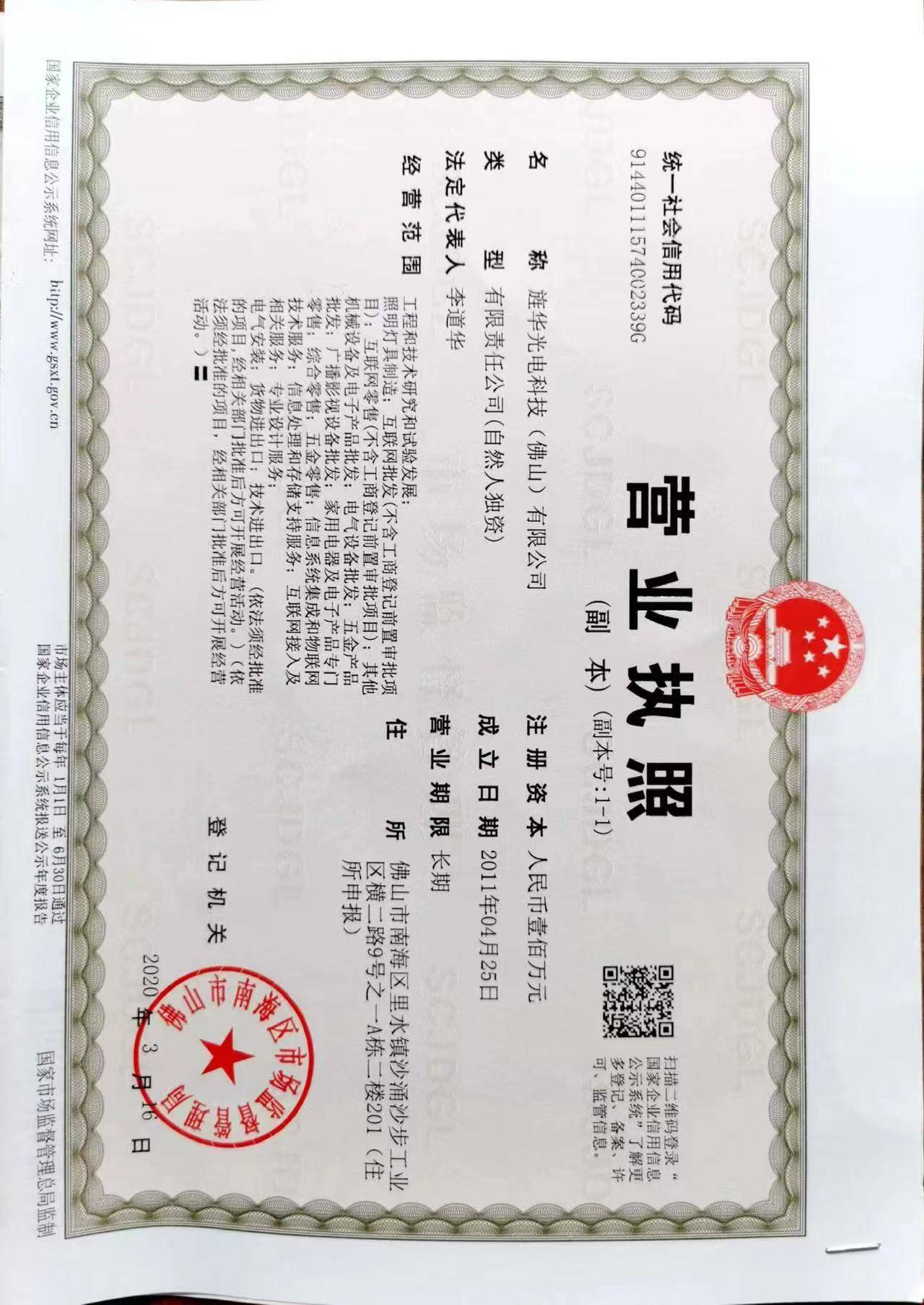
Jinghua optoelectronic technology (foshan) co.,Ltd
Address: 201, 2nd Floor, Building A, No.9 Heng Er Road, Sha Bu Industrial Zone, Sha Chung, Lishui Town, Nanhai District, Foshan City, China (residence declaration)
TEL:15920366596
FAX:0757-85107703
E-MAIL:jhang@xangsanecn.com

Copyright © 2023 jinghua optoelectronic technology (foshan) co.,Ltd