Unlocking the Potential of Single Crystal Copper Stripes in Optoelectronics
2024-12-02
Single crystal copper stripes are emerging as a pivotal material in the field of optoelectronics, particularly for their unique electrical and mechanical properties. With their distinct crystalline structure, these stripes offer enhanced conductivity and reduced defects compared to polycrystalline counterparts. This quality makes them an attractive option for various electronic and optoelectronic applications, including sensors, photodetectors, and other advanced devices.
The production of single crystal copper stripes typically involves sophisticated techniques such as the Czochralski method or vapor deposition processes. These methods ensure that the resulting copper retains a uniform grain structure, which is crucial for achieving optimal performance in electrical conduction and thermal stability. As the demand for high-performance materials continues to rise in the electronics sector, the ability to manufacture single crystal copper stripes with precision is becoming increasingly vital.
One of the key advantages of single crystal copper stripes is their superior conductivity. The absence of grain boundaries minimizes electron scattering, thereby allowing for more efficient charge transport. This property is particularly beneficial in optoelectronic devices, where rapid signal processing and low energy loss are critical. In applications such as photovoltaic cells and light-emitting diodes (LEDs), single crystal copper stripes can improve efficiency and longevity, making them a valuable addition to the design of next-generation devices.
Moreover, single crystal copper stripes exhibit excellent mechanical properties. Their resilience and flexibility make them suitable for integration into various substrates, which is essential for the development of flexible electronic devices. This compatibility opens up new avenues in wearable technology and other innovative applications, as manufacturers seek to create lightweight and efficient optoelectronic components.
In addition to their electrical and mechanical advantages, single crystal copper stripes can also enhance the thermal management of devices. Effective heat dissipation is crucial for maintaining performance and reliability in electronics. By utilizing single crystal copper stripes, manufacturers can achieve better thermal conductivity, thereby minimizing the risk of overheating and ensuring consistent operation.
In summary, single crystal copper stripes represent a significant advancement in materials science within the optoelectronics field. Their unique properties, including enhanced conductivity, mechanical resilience, and improved thermal management, position them as a key component in the next generation of electronic devices. As research and development continue to progress, the integration of single crystal copper stripes into various applications is expected to grow, paving the way for more efficient, reliable, and innovative optoelectronic technologies.
The production of single crystal copper stripes typically involves sophisticated techniques such as the Czochralski method or vapor deposition processes. These methods ensure that the resulting copper retains a uniform grain structure, which is crucial for achieving optimal performance in electrical conduction and thermal stability. As the demand for high-performance materials continues to rise in the electronics sector, the ability to manufacture single crystal copper stripes with precision is becoming increasingly vital.
One of the key advantages of single crystal copper stripes is their superior conductivity. The absence of grain boundaries minimizes electron scattering, thereby allowing for more efficient charge transport. This property is particularly beneficial in optoelectronic devices, where rapid signal processing and low energy loss are critical. In applications such as photovoltaic cells and light-emitting diodes (LEDs), single crystal copper stripes can improve efficiency and longevity, making them a valuable addition to the design of next-generation devices.
Moreover, single crystal copper stripes exhibit excellent mechanical properties. Their resilience and flexibility make them suitable for integration into various substrates, which is essential for the development of flexible electronic devices. This compatibility opens up new avenues in wearable technology and other innovative applications, as manufacturers seek to create lightweight and efficient optoelectronic components.
In addition to their electrical and mechanical advantages, single crystal copper stripes can also enhance the thermal management of devices. Effective heat dissipation is crucial for maintaining performance and reliability in electronics. By utilizing single crystal copper stripes, manufacturers can achieve better thermal conductivity, thereby minimizing the risk of overheating and ensuring consistent operation.
In summary, single crystal copper stripes represent a significant advancement in materials science within the optoelectronics field. Their unique properties, including enhanced conductivity, mechanical resilience, and improved thermal management, position them as a key component in the next generation of electronic devices. As research and development continue to progress, the integration of single crystal copper stripes into various applications is expected to grow, paving the way for more efficient, reliable, and innovative optoelectronic technologies.
Related News
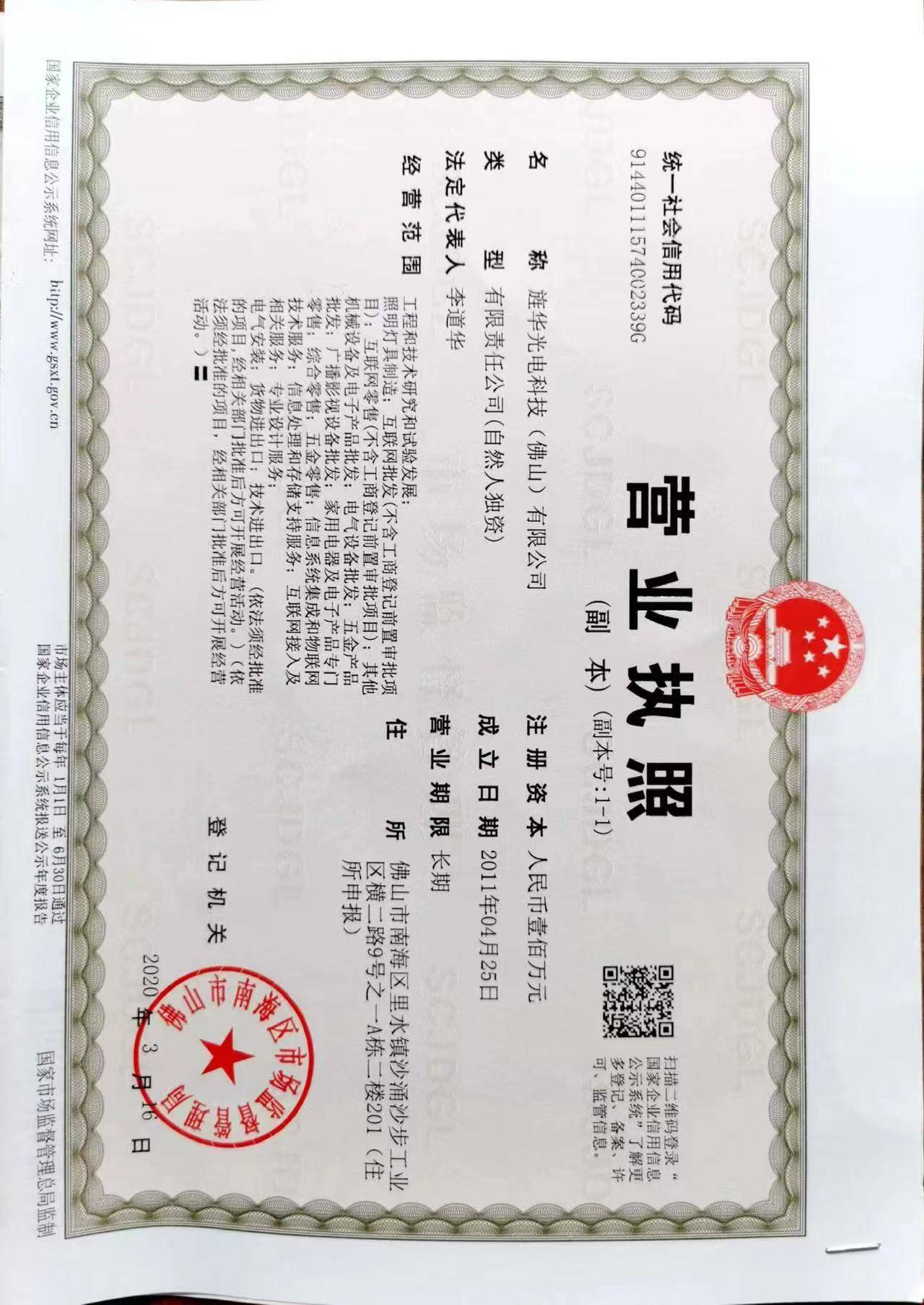
Jinghua optoelectronic technology (foshan) co.,Ltd
Address: 201, 2nd Floor, Building A, No.9 Heng Er Road, Sha Bu Industrial Zone, Sha Chung, Lishui Town, Nanhai District, Foshan City, China (residence declaration)
TEL:15920366596
FAX:0757-85107703
E-MAIL:jhang@xangsanecn.com

Copyright © 2023 jinghua optoelectronic technology (foshan) co.,Ltd