Maximizing Efficiency: Single Crystal Copper Stripes for Optoelectronic Components
2024-12-03
Maximizing Efficiency: Single Crystal Copper Stripes for Optoelectronic Components
Table of Contents
1. Introduction to Optoelectronic Components
2. Importance of Material Efficiency in Optoelectronics
3. What are Single Crystal Copper Stripes?
4. Advantages of Single Crystal Copper Stripes
4.1 Enhanced Electrical Conductivity
4.2 Improved Thermal Conductivity
4.3 Reduced Electron Scattering
5. Manufacturing Processes of Single Crystal Copper Stripes
5.1 Crystal Growth Techniques
5.2 Fabrication Methods
6. Applications in Optoelectronic Devices
7. Challenges and Solutions in Implementing Single Crystal Copper
8. Future Trends in Optoelectronic Components
FAQs
1. What makes single crystal copper better than polycrystalline copper?
2. Can single crystal copper stripes be used in all optoelectronic devices?
3. How do single crystal copper stripes affect performance in LEDs?
4. Are there environmental concerns related to the production of single crystal copper?
5. How do I choose the right materials for my optoelectronic applications?
1. Introduction to Optoelectronic Components
Optoelectronic components are crucial in modern technology, integrating optics and electronics to produce, detect, and control light. These components play a pivotal role in devices such as LEDs, lasers, and photodetectors, facilitating advancements in communication, imaging, and sensing technologies. The efficiency of these components directly impacts their performance and reliability.
2. Importance of Material Efficiency in Optoelectronics
In the realm of optoelectronics, material efficiency is paramount. It influences the electrical and optical properties of devices, ultimately affecting their operational capabilities. As devices continue to shrink in size but increase in functionality, the choice of materials becomes critical. Utilizing high-performance materials can lead to significant enhancements in energy consumption, heat dissipation, and overall device longevity.
3. What are Single Crystal Copper Stripes?
Single crystal copper stripes are thin strips of copper that are formed from a single crystal structure, as opposed to being composed of multiple grains or crystals. This unique structure allows for superior properties compared to conventional copper materials. The seamless arrangement of atoms in a single crystal minimizes defects, leading to improved performance in various applications.
4. Advantages of Single Crystal Copper Stripes
Single crystal copper stripes offer multiple advantages that enhance the performance of optoelectronic components:
4.1 Enhanced Electrical Conductivity
One of the foremost benefits of single crystal copper is its **enhanced electrical conductivity**. The uninterrupted atomic structure facilitates the unimpeded flow of electrons, resulting in lower resistive losses. This property is particularly advantageous in applications requiring high-speed signal transmission.
4.2 Improved Thermal Conductivity
In optoelectronic devices, managing heat is crucial for maintaining performance and reliability. Single crystal copper stripes exhibit **improved thermal conductivity**, allowing for efficient heat dissipation. This is critical in preventing overheating, which can lead to device failure or reduced lifespan.
4.3 Reduced Electron Scattering
The uniform crystal lattice of single crystal copper minimizes **electron scattering**, which can occur at grain boundaries in polycrystalline materials. This reduction in scattering leads to improved overall performance, particularly in high-frequency applications where signal integrity is vital.
5. Manufacturing Processes of Single Crystal Copper Stripes
The production of single crystal copper stripes involves sophisticated techniques designed to maintain the integrity of the crystal structure.
5.1 Crystal Growth Techniques
Various methods are employed for the growth of single crystals, including **Czochralski** and **Bridgman techniques**. These processes involve melting copper and carefully controlling the cooling rate to promote the formation of a single crystal.
5.2 Fabrication Methods
Once the single crystal is formed, it is sliced into thin stripes using precision techniques such as **wire sawing** or **diamond cutting**. This ensures that the final product retains the desired properties while achieving the necessary dimensions for optoelectronic applications.
6. Applications in Optoelectronic Devices
Single crystal copper stripes are utilized in a variety of optoelectronic devices, including:
- **LEDs**: Enhancing light output and energy efficiency.
- **Lasers**: Improving thermal management and longevity.
- **Photodetectors**: Boosting sensitivity and response times.
By integrating single crystal copper into these devices, manufacturers can significantly enhance performance and efficiency.
7. Challenges and Solutions in Implementing Single Crystal Copper
Despite the numerous advantages, challenges exist in the widespread adoption of single crystal copper stripes. The manufacturing process can be costly and complex, and there may be limitations regarding scalability.
To address these concerns, ongoing research aims to develop more cost-effective production methods while maintaining high quality. Investments in technology and innovation are essential for overcoming these barriers and realizing the full potential of single crystal copper in optoelectronics.
8. Future Trends in Optoelectronic Components
As technology continues to evolve, the demand for more efficient and reliable optoelectronic components will grow. The integration of **single crystal materials** is poised to become a significant trend, driven by advances in manufacturing and material science. Future developments may include the exploration of hybrid materials that combine the benefits of single crystal copper with other advanced materials to further enhance performance.
FAQs
1. What makes single crystal copper better than polycrystalline copper?
Single crystal copper offers superior electrical and thermal conductivity due to its uninterrupted atomic structure, leading to enhanced performance in optoelectronic applications.
2. Can single crystal copper stripes be used in all optoelectronic devices?
While single crystal copper stripes can enhance many optoelectronic devices, their implementation will depend on specific design requirements and manufacturing capabilities.
3. How do single crystal copper stripes affect performance in LEDs?
Single crystal copper stripes improve the electrical and thermal performance of LEDs, leading to higher light output and increased energy efficiency.
4. Are there environmental concerns related to the production of single crystal copper?
Like many manufacturing processes, producing single crystal copper can have environmental impacts. However, advancements in technology aim to minimize these effects through more sustainable practices.
5. How do I choose the right materials for my optoelectronic applications?
Selecting the appropriate materials involves evaluating the specific performance requirements, cost considerations, and compatibility with existing manufacturing processes.
Conclusion
Single crystal copper stripes present a transformative opportunity in the field of optoelectronic components. With their superior properties, they pave the way for advancements in efficiency and performance across a variety of applications. By embracing this innovative material, manufacturers can enhance the capabilities of optoelectronic devices, ensuring they meet the growing demands of modern technology. The future holds exciting potential as we continue to explore and optimize the benefits of single crystal copper in this critical industry.
Related News
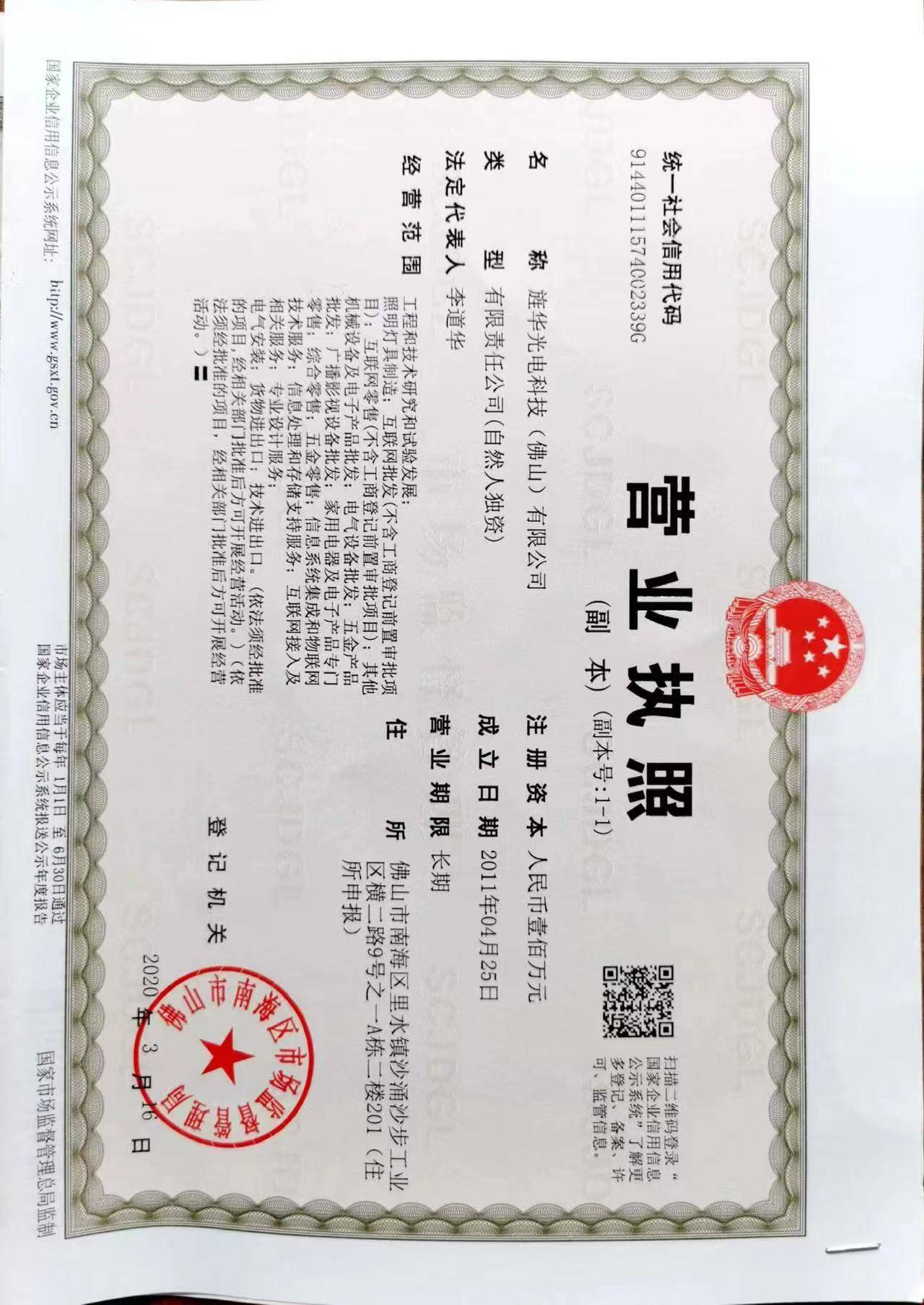
Jinghua optoelectronic technology (foshan) co.,Ltd
Address: 201, 2nd Floor, Building A, No.9 Heng Er Road, Sha Bu Industrial Zone, Sha Chung, Lishui Town, Nanhai District, Foshan City, China (residence declaration)
TEL:15920366596
FAX:0757-85107703
E-MAIL:jhang@xangsanecn.com

Copyright © 2023 jinghua optoelectronic technology (foshan) co.,Ltd