Understanding Hardware Inserts: Enhancing Electronic Component Assembly
2024-12-16
In the world of electronic component assembly, hardware inserts play a crucial role in enhancing the integrity and performance of various products. A hardware insert is a type of fastener that provides added strength and stability to the assembly process, particularly when dealing with materials that may not provide sufficient support for threads or other fastening methods. This article will delve into what hardware inserts are, their applications, and the advantages they bring to electronic manufacturing.
Firstly, hardware inserts are often used in plastic and composite materials where traditional screws or fasteners would not hold effectively. These inserts can be molded into the material during the manufacturing process, or they can be installed after the fact, providing a robust anchor point for screws and other fasteners. Common types of hardware inserts include threaded inserts, heat-set inserts, and self-tapping inserts. Each type serves a unique purpose and can be selected based on the specific requirements of the project.
The applications of hardware inserts in electronic component assembly are vast. They are frequently used in the production of PCBs (Printed Circuit Boards) where components need to be secured firmly to prevent movement and ensure electrical connections remain intact. Inserts can also be found in enclosures and casings, providing a reliable means for securing covers and access panels. In addition, they are invaluable in the automotive and aerospace industries, where durability and safety are paramount.
One of the primary benefits of using hardware inserts is the enhanced strength they provide. By distributing the load over a larger area, these inserts help prevent damage to the substrate material. This is particularly important in electronic devices that may experience vibrations or mechanical stress during operation. Furthermore, hardware inserts facilitate a more straightforward assembly process, allowing for quicker production times and reduced labor costs.
Another advantage is the improved reusability of components. Since hardware inserts can be installed and removed multiple times without significant wear and tear, they offer an economical solution for products that require maintenance or upgrades. This feature is especially beneficial in the electronics sector, where technology evolves rapidly, necessitating frequent updates to components.
In conclusion, hardware inserts are an essential part of electronic component assembly, providing strength, stability, and ease of use. Their diverse applications and inherent advantages make them a vital component in ensuring the reliability and performance of electronic devices. As the industry continues to innovate, the importance of hardware inserts will only grow, making them a worthy consideration for any electronic manufacturing process.
Firstly, hardware inserts are often used in plastic and composite materials where traditional screws or fasteners would not hold effectively. These inserts can be molded into the material during the manufacturing process, or they can be installed after the fact, providing a robust anchor point for screws and other fasteners. Common types of hardware inserts include threaded inserts, heat-set inserts, and self-tapping inserts. Each type serves a unique purpose and can be selected based on the specific requirements of the project.
The applications of hardware inserts in electronic component assembly are vast. They are frequently used in the production of PCBs (Printed Circuit Boards) where components need to be secured firmly to prevent movement and ensure electrical connections remain intact. Inserts can also be found in enclosures and casings, providing a reliable means for securing covers and access panels. In addition, they are invaluable in the automotive and aerospace industries, where durability and safety are paramount.
One of the primary benefits of using hardware inserts is the enhanced strength they provide. By distributing the load over a larger area, these inserts help prevent damage to the substrate material. This is particularly important in electronic devices that may experience vibrations or mechanical stress during operation. Furthermore, hardware inserts facilitate a more straightforward assembly process, allowing for quicker production times and reduced labor costs.
Another advantage is the improved reusability of components. Since hardware inserts can be installed and removed multiple times without significant wear and tear, they offer an economical solution for products that require maintenance or upgrades. This feature is especially beneficial in the electronics sector, where technology evolves rapidly, necessitating frequent updates to components.
In conclusion, hardware inserts are an essential part of electronic component assembly, providing strength, stability, and ease of use. Their diverse applications and inherent advantages make them a vital component in ensuring the reliability and performance of electronic devices. As the industry continues to innovate, the importance of hardware inserts will only grow, making them a worthy consideration for any electronic manufacturing process.
Related News
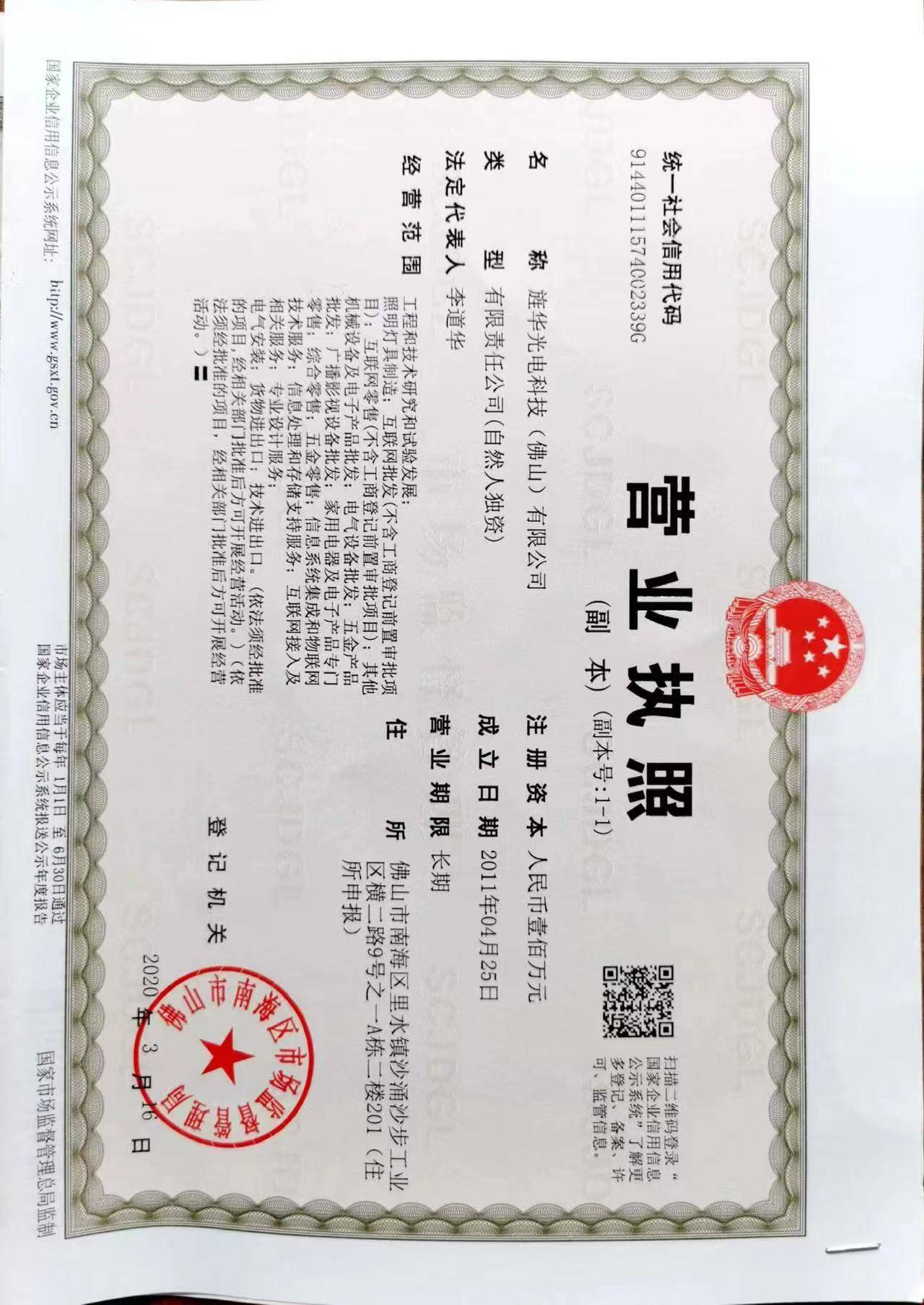
Jinghua optoelectronic technology (foshan) co.,Ltd
Address: 201, 2nd Floor, Building A, No.9 Heng Er Road, Sha Bu Industrial Zone, Sha Chung, Lishui Town, Nanhai District, Foshan City, China (residence declaration)
TEL:15920366596
FAX:0757-85107703
E-MAIL:jhang@xangsanecn.com

Copyright © 2023 jinghua optoelectronic technology (foshan) co.,Ltd