Understanding the Sterling Silver Series in Optoelectronic Components
2024-12-24
The Sterling Silver Series represents a notable category of optoelectronic components, characterized by their exceptional functionality and versatility in various electronic applications. These components are primarily made using high-purity sterling silver, which is known for its excellent electrical conductivity and thermal properties. As industries increasingly rely on sophisticated light-emitting and light-detecting devices, the Sterling Silver Series has emerged as a preferred choice for many applications in the optoelectronic sector.
One of the key advantages of using sterling silver in optoelectronic devices is its superior conductivity compared to other materials. This property enables more efficient signal transmission and reduced energy loss, which are critical factors in many electronic applications. Additionally, sterling silver's resistance to oxidation and corrosion enhances the longevity and reliability of these components, making them suitable for use in harsh environments.
In terms of applications, the Sterling Silver Series is widely utilized in various fields, including telecommunications, consumer electronics, and medical devices. For instance, in telecommunications, components from this series can be found in laser diodes and photodetectors that play a crucial role in high-speed data transmission. In consumer electronics, they are used in devices such as digital cameras and displays, where precision and performance are essential.
Moreover, the Sterling Silver Series is also integral to the development of advanced sensing technologies. Many sensors leverage the unique properties of sterling silver to enhance detection capabilities, ensuring accurate readings in applications ranging from environmental monitoring to medical diagnostics. This versatility highlights the importance of the Sterling Silver Series in pushing the boundaries of what is achievable with optoelectronic devices.
When considering the integration of the Sterling Silver Series into your projects, it is important to evaluate the specific requirements of your application. Factors such as operating temperature, environmental conditions, and electrical specifications play a significant role in determining the suitability of these components. Engaging with specialists in optoelectronics can provide valuable insights and help optimize the selection process.
In summary, the Sterling Silver Series offers a range of advantages that make it an attractive option for various optoelectronic applications. With its outstanding conductivity, durability, and versatility, this series continues to be a vital component in the evolution of electronic technologies. By understanding its capabilities and applications, industry professionals can leverage the Sterling Silver Series to enhance their products and drive innovation in the field of optoelectronics.
One of the key advantages of using sterling silver in optoelectronic devices is its superior conductivity compared to other materials. This property enables more efficient signal transmission and reduced energy loss, which are critical factors in many electronic applications. Additionally, sterling silver's resistance to oxidation and corrosion enhances the longevity and reliability of these components, making them suitable for use in harsh environments.
In terms of applications, the Sterling Silver Series is widely utilized in various fields, including telecommunications, consumer electronics, and medical devices. For instance, in telecommunications, components from this series can be found in laser diodes and photodetectors that play a crucial role in high-speed data transmission. In consumer electronics, they are used in devices such as digital cameras and displays, where precision and performance are essential.
Moreover, the Sterling Silver Series is also integral to the development of advanced sensing technologies. Many sensors leverage the unique properties of sterling silver to enhance detection capabilities, ensuring accurate readings in applications ranging from environmental monitoring to medical diagnostics. This versatility highlights the importance of the Sterling Silver Series in pushing the boundaries of what is achievable with optoelectronic devices.
When considering the integration of the Sterling Silver Series into your projects, it is important to evaluate the specific requirements of your application. Factors such as operating temperature, environmental conditions, and electrical specifications play a significant role in determining the suitability of these components. Engaging with specialists in optoelectronics can provide valuable insights and help optimize the selection process.
In summary, the Sterling Silver Series offers a range of advantages that make it an attractive option for various optoelectronic applications. With its outstanding conductivity, durability, and versatility, this series continues to be a vital component in the evolution of electronic technologies. By understanding its capabilities and applications, industry professionals can leverage the Sterling Silver Series to enhance their products and drive innovation in the field of optoelectronics.
Related News
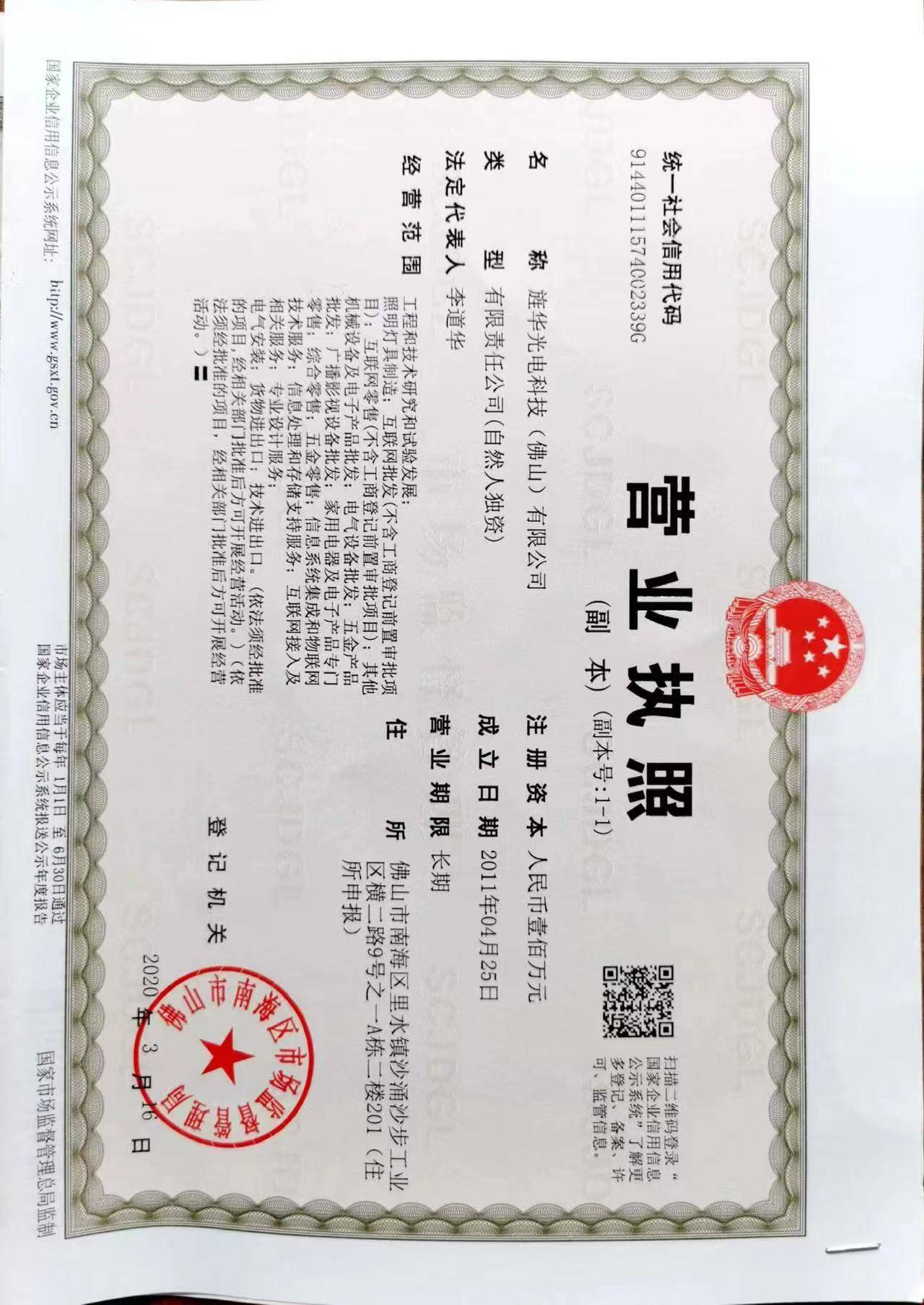
Jinghua optoelectronic technology (foshan) co.,Ltd
Address: 201, 2nd Floor, Building A, No.9 Heng Er Road, Sha Bu Industrial Zone, Sha Chung, Lishui Town, Nanhai District, Foshan City, China (residence declaration)
TEL:15920366596
FAX:0757-85107703
E-MAIL:jhang@xangsanecn.com

Copyright © 2023 jinghua optoelectronic technology (foshan) co.,Ltd