Essential Tips for Choosing the Right Power Supply for Audio Equipment
2025-07-03
Essential Tips for Choosing the Right Power Supply for Audio Equipment
When it comes to audio equipment, the importance of a reliable power supply cannot be overstated. A quality power supply not only ensures optimal performance but also significantly influences the sound quality and longevity of your devices. In this guide, we will delve into the key factors to consider when selecting the right power supply for your audio setup, ensuring that you achieve the best audio performance possible.
Table of Contents
- Understanding Power Supply Types
- Voltage Requirements for Audio Equipment
- Current Output and Its Significance
- Power Supply Form Factors
- Filtering and Regulation Techniques
- Choosing the Right Wattage
- Brand Reputation and Reliability
- Maintenance and Upkeep
- Common Questions About Power Supplies
Understanding Power Supply Types
Before diving into the technical specifications, it's vital to understand the different types of power supplies available in the market. Generally, power supplies can be categorized into two main types: **linear** and **switching**.
Linear Power Supplies
Linear power supplies are known for their simplicity and low noise levels. They utilize a transformer to convert high voltage AC to low voltage DC. Because of their design, they tend to provide cleaner power, which is crucial for high-fidelity audio equipment. However, they can be bulky and less efficient compared to their switching counterparts.
Switching Power Supplies
Switching power supplies, on the other hand, are more compact and efficient. They convert power using high-frequency switching techniques and offer a higher power-to-weight ratio. However, they can introduce electromagnetic interference (EMI), which may affect audio quality. Understanding the nuances between these two types will help you make an informed decision.
Voltage Requirements for Audio Equipment
Every audio device has specific voltage requirements. Understanding these requirements is crucial to ensure optimal performance.
Identifying Voltage Needs
Most audio equipment lists its voltage requirements in the user manual or on the device itself. It's essential to match this requirement precisely when selecting a power supply. Using a power supply with incorrect voltage can lead to underperformance or even damage to your equipment.
Importance of Voltage Stability
In addition to matching voltage specifications, it's vital to choose a power supply that offers stable voltage output. Fluctuations in voltage can lead to unwanted noise, distortion, and other audio issues. A power supply with voltage regulation features can help maintain consistent performance.
Current Output and Its Significance
Current output is another critical aspect of power supplies that should not be overlooked.
Understanding Amperage
The current output of a power supply, measured in amperes (A), indicates how much electrical current can be drawn from it. Similar to voltage, it’s crucial to match the current requirements of your audio equipment to ensure adequate power supply. Insufficient current can result in audio distortion or equipment malfunction.
Safety Margins
When selecting a power supply, consider choosing one with a higher current rating than your device requires. This provides a safety margin that ensures your equipment operates efficiently without strain or overheating.
Power Supply Form Factors
The physical size and form factor of a power supply can significantly influence your audio setup.
Choosing the Right Size
Power supplies come in various sizes, and choosing one that fits into your audio equipment rack or setup space is crucial. Larger, more powerful supplies may offer better performance, but they also require more space.
Portable vs. Stationary Supplies
Consider whether you need a portable power supply for on-the-go setups or a stationary one for home use. Portable supplies tend to be smaller and lighter, while stationary options may offer more power and features.
Filtering and Regulation Techniques
Quality filtering and regulation are essential for ensuring that your power supply delivers clean power to your audio equipment.
Types of Filtering
Look for power supplies that include advanced filtering techniques to minimize noise and interference. Common filtering options include capacitors and inductors, which help smooth out voltage fluctuations and reduce unwanted frequency noise.
Regulation Techniques
A well-regulated power supply maintains consistent output voltage despite varying load conditions. Choosing a power supply with a robust regulation mechanism will protect your audio equipment from voltage spikes and drops, ensuring that it remains safe and operational.
Choosing the Right Wattage
Selecting a power supply with the appropriate wattage is crucial for optimal performance and efficiency.
Calculating Power Needs
To determine the required wattage, sum the wattage ratings of all the devices you plan to connect to the power supply. It’s usually a good idea to add an extra 20-30% as a buffer to accommodate any future upgrades or additional devices.
Energy Efficiency
Consider energy-efficient options that provide the necessary wattage without excessive power consumption. Look for power supplies that have been certified for efficiency ratings, such as 80 PLUS certification, which ensures that the supply operates efficiently.
Brand Reputation and Reliability
The brand of the power supply can heavily influence its performance and reliability.
Researching Brands
Before making a purchase, research reputable brands known for manufacturing high-quality power supplies. Reading customer reviews and expert recommendations can provide insight into the reliability of different brands.
Warranty and Support
Evaluate the warranty options and customer support provided by the manufacturer. A longer warranty period often indicates confidence in the product's reliability. Additionally, responsive customer support can be invaluable if you encounter issues down the line.
Maintenance and Upkeep
Even the best power supplies require some level of maintenance and care.
Regular Inspections
Periodically check your power supply for any signs of wear or damage, such as frayed cords or unusual heat output. Addressing these issues early can prevent costly repairs or replacements.
Cleaning and Dust Management
Ensure that your power supply is kept clean and free from dust. Dust buildup can lead to overheating and decreased performance, so regular cleaning is essential for longevity.
Common Questions About Power Supplies
1. What is the difference between linear and switching power supplies?
Linear power supplies provide cleaner power but are bulkier, while switching power supplies are more compact and efficient but can introduce noise.
2. How do I determine the correct voltage for my audio equipment?
Check the user manual or device label for voltage specifications before purchasing a power supply.
3. Is it necessary to get a power supply with a higher current rating?
Yes, it's advisable to choose a power supply with a slightly higher current rating to ensure optimal performance without strain.
4. How can I minimize noise from my power supply?
Choose a power supply with advanced filtering techniques and ensure proper placement away from other electronic devices.
5. What maintenance does a power supply require?
Regular inspections for wear and dust management are essential for maintaining the longevity of your power supply.
Conclusion
Choosing the right power supply for your audio equipment is a critical step toward achieving the best sound quality and performance. By understanding the different types of power supplies, voltage and current requirements, and the significance of filtering and regulation, you can make an informed decision. Additionally, considering wattage, brand reputation, and maintenance practices will further enhance your audio experience. With the right power supply, you can ensure that your audio equipment operates efficiently, delivering the high-quality sound you desire.
Related News
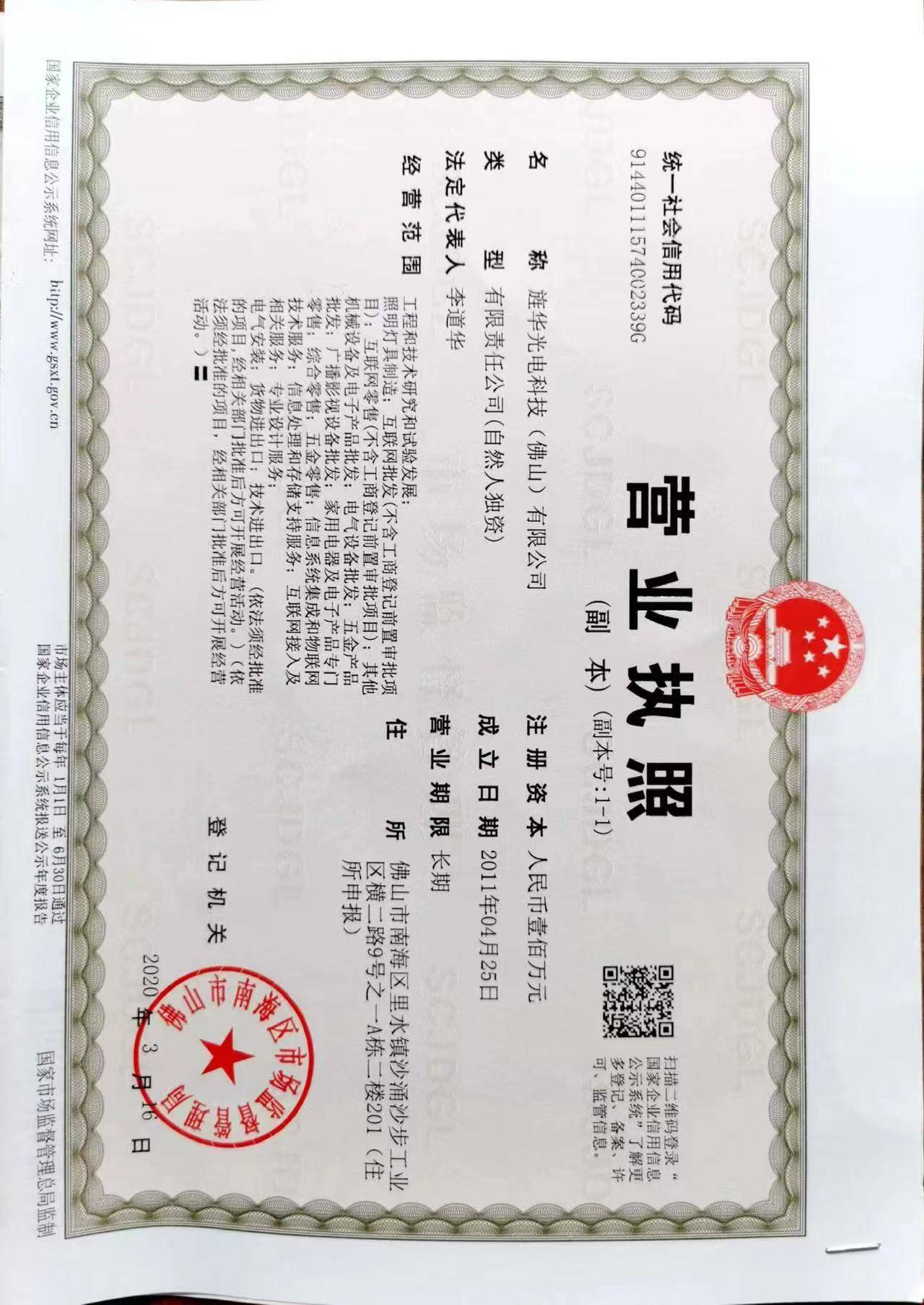
Jinghua optoelectronic technology (foshan) co.,Ltd
Address: 201, 2nd Floor, Building A, No.9 Heng Er Road, Sha Bu Industrial Zone, Sha Chung, Lishui Town, Nanhai District, Foshan City, China (residence declaration)
TEL:15920366596
FAX:0757-85107703
E-MAIL:jhang@xangsanecn.com

Copyright © 2023 jinghua optoelectronic technology (foshan) co.,Ltd