Unraveling the Mysteries of Wires: A Comprehensive Guide
2024-06-03
**Introduction**
In the realm of electrical engineering, wires and cables play a crucial role in transmitting power and signals. Whether you are a seasoned professional or a curious novice, understanding the intricacies of wires is essential. In this comprehensive guide, we will unravel the mysteries of wires, shedding light on their types, applications, and best practices.
**Types of Wires and Cables**
1. **Understanding Wire Gauge**:
- Wire gauge is a crucial aspect of wire selection, determining the current-carrying capacity and resistance of a wire. Different gauges are suitable for various applications, from household wiring to industrial machinery.
2. **Types of Wires**:
- There are various types of wires, including solid core, stranded, and twisted pair. Each type has its unique characteristics and is suited for specific applications. Understanding the differences between them is essential for choosing the right wire for your needs.
3. **Different Cable Configurations**:
- Cables come in different configurations, such as coaxial, ribbon, and fiber optic cables. Each configuration is designed for specific purposes, ranging from data transmission to audio/video signals. Knowing the differences between cable types can help optimize your system's performance.
**Applications of Wires and Cables**
1. **Residential Wiring**:
- Wires are an integral part of residential electrical systems, powering lights, appliances, and electronics. Understanding the basics of residential wiring can help homeowners troubleshoot common issues and ensure safety.
2. **Industrial Applications**:
- In industrial settings, wires and cables are used to power machinery, control systems, and communication networks. Proper installation and maintenance of industrial wiring are critical for ensuring smooth operations and preventing downtime.
3. **Telecommunication Infrastructure**:
- Telecommunication networks rely on high-quality wires and cables to transmit data across vast distances. From fiber optic cables to Ethernet wiring, telecommunications infrastructure plays a vital role in connecting the world.
**Best Practices for Wire Installation**
1. **Proper Wire Management**:
- Effective wire management is essential for preventing signal interference and maintaining system reliability. Proper organization of wires and cables can improve airflow, reduce clutter, and simplify troubleshooting.
2. **Ensuring Electrical Safety**:
- Electrical safety should be a top priority when working with wires and cables. Following industry standards, using appropriate protective gear, and conducting regular inspections are essential for preventing accidents and minimizing risks.
3. **Testing and Troubleshooting**:
- Thorough testing and troubleshooting are crucial steps in ensuring the integrity of wire installations. Using multimeters, continuity testers, and other diagnostic tools can help identify problems and rectify them promptly.
**Frequently Asked Questions**
1. **What is the difference between solid core and stranded wire?**
- Solid core wire consists of a single, solid conductor, while stranded wire is made up of multiple thin strands twisted together. Solid core wire is more rigid and suited for stationary installations, while stranded wire is flexible and ideal for applications requiring frequent bending.
2. **How do I choose the right wire gauge for my project?**
- The wire gauge should be selected based on the current requirements of the circuit. Consult a wire gauge chart to determine the appropriate gauge for your specific application, taking into account voltage drop, temperature, and distance.
3. **What are the advantages of using fiber optic cables for data transmission?**
- Fiber optic cables offer high bandwidth, low signal loss, and immunity to electromagnetic interference. They are ideal for long-distance communication, high-speed internet, and data centers where reliability and performance are critical.
**Conclusion**
In conclusion, wires and cables are the lifelines of modern electrical systems, connecting devices, transmitting data, and powering our daily lives. By understanding the types, applications, and best practices of wires, you can optimize your installations, enhance safety, and improve performance. We hope this comprehensive guide has shed light on the mysteries of wires, empowering you to make informed decisions and harness the power of electrical connectivity.
Related News
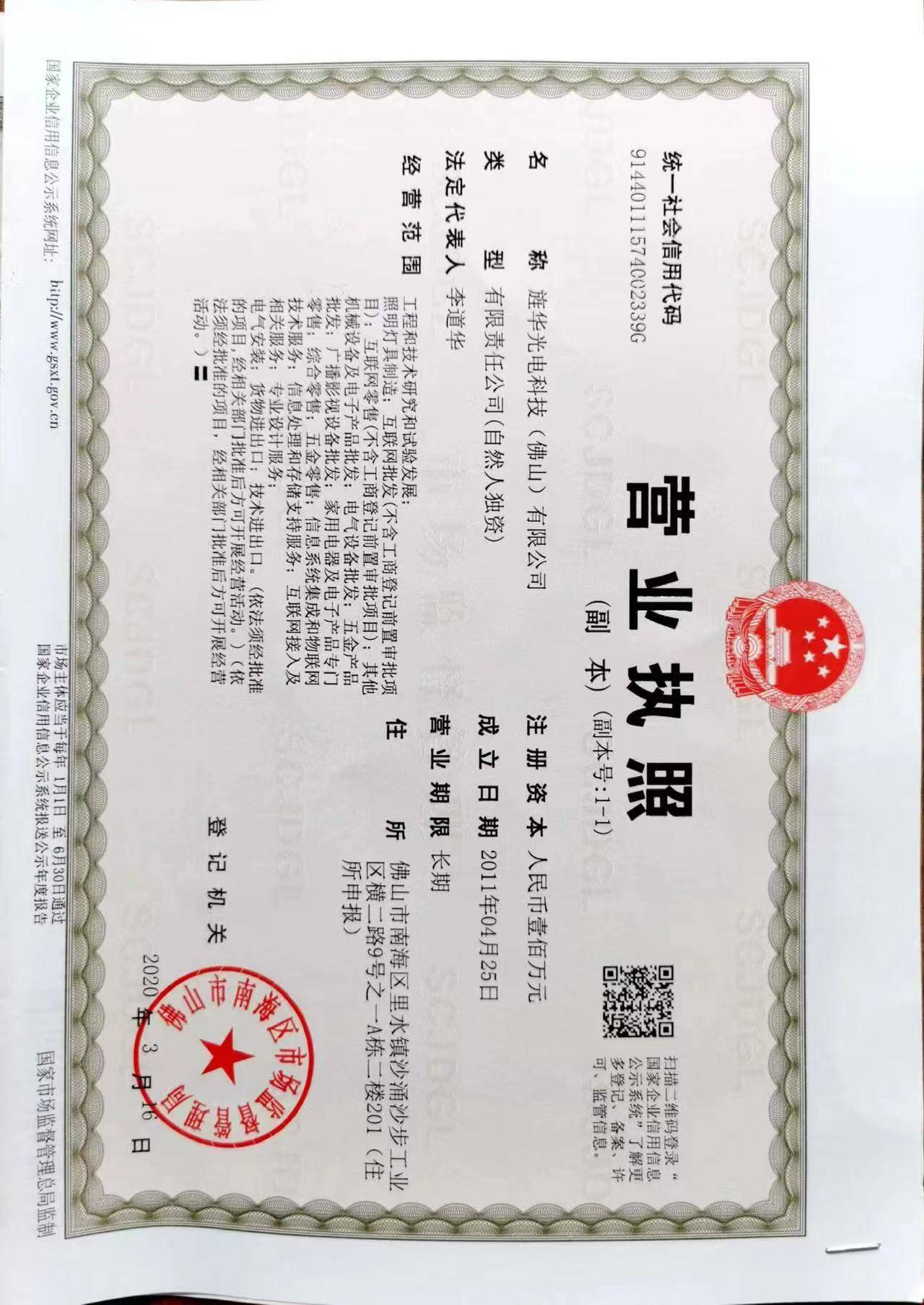
Jinghua optoelectronic technology (foshan) co.,Ltd
Address: 201, 2nd Floor, Building A, No.9 Heng Er Road, Sha Bu Industrial Zone, Sha Chung, Lishui Town, Nanhai District, Foshan City, China (residence declaration)
TEL:15920366596
FAX:0757-85107703
E-MAIL:jhang@xangsanecn.com

Copyright © 2023 jinghua optoelectronic technology (foshan) co.,Ltd