Enhancing Signal Transmission with Single Crystal Copper Stripes: A Comprehensive Guide
2024-06-17
**Introduction**
In the ever-evolving world of electronic components, the demand for high-quality signal transmission has never been greater. As technology continues to advance, the need for efficient and reliable signal transmission methods becomes increasingly critical. One such method that has gained popularity in recent years is the use of single crystal copper stripes. In this comprehensive guide, we will explore the benefits and applications of utilizing single crystal copper stripes to enhance signal transmission.
**What are Single Crystal Copper Stripes?**
Single crystal copper stripes are precisely engineered copper conductors that are designed to transmit signals with maximum efficiency. Unlike traditional copper wires, which contain numerous grain boundaries that can impede signal flow, single crystal copper stripes are made from a single crystal structure, allowing for seamless signal transmission. This unique structure results in lower resistance and improved conductivity, making them ideal for high-frequency applications.
**Benefits of Single Crystal Copper Stripes**
- **Enhanced Signal Transmission**: The single crystal structure of copper stripes allows for faster and more efficient signal transmission, reducing signal loss and distortion.
- **Improved Conductivity**: Single crystal copper has higher conductivity than traditional copper, resulting in better overall performance.
- **Reduced Interference**: The uniform structure of single crystal copper helps to minimize electromagnetic interference, ensuring clear and reliable signal transmission.
**Applications of Single Crystal Copper Stripes**
Single crystal copper stripes are commonly used in a variety of electronic components, including:
- **High-Frequency Cables**: Single crystal copper is ideal for high-frequency applications, such as RF cables and microwave components.
- **Printed Circuit Boards (PCBs)**: Copper stripes can be integrated into PCB designs to improve signal integrity and reduce crosstalk.
- **Optical Devices**: Single crystal copper is also used in optical devices, such as photodetectors and sensors, to enhance signal detection and transmission.
**How to Enhance Signal Transmission with Single Crystal Copper Stripes**
1. **Choose the Right Material**: When selecting single crystal copper for your application, it is essential to consider factors such as purity, conductivity, and grain size to ensure optimal performance.
2. **Optimize Design**: Proper design and layout of copper stripes can significantly impact signal transmission. Ensure that the conductor length, width, and spacing are optimized for maximum efficiency.
3. **Minimize Signal Loss**: By reducing impedance mismatches and minimizing signal reflections, you can improve signal integrity and reduce loss.
4. **Shielding**: Implementing proper shielding techniques can help to minimize electromagnetic interference and ensure reliable signal transmission.
**FAQs**
**Q: Can single crystal copper stripes be customized for specific applications?**
A: Yes, single crystal copper can be customized to meet the requirements of various applications, such as specific conductivity levels and grain sizes.
**Q: Are there any disadvantages to using single crystal copper stripes?**
A: While single crystal copper offers many benefits, it can be more expensive than traditional copper due to the complex manufacturing process.
**Q: How do single crystal copper stripes compare to other materials, such as aluminum or gold?**
A: Single crystal copper offers superior conductivity and signal transmission capabilities compared to materials like aluminum or gold.
**Q: Are there any limitations to the use of single crystal copper in electronic components?**
A: Single crystal copper is best suited for high-frequency applications where signal integrity is critical. It may not be suitable for low-frequency or low-cost applications.
**Q: Can single crystal copper be recycled or reused?**
A: Yes, single crystal copper can be recycled and reused, making it a sustainable choice for electronic components.
**Conclusion**
In conclusion, single crystal copper stripes offer a powerful solution for enhancing signal transmission in electronic components. By leveraging the unique properties of single crystal copper, you can achieve faster, more reliable signal transmission in high-frequency applications. Whether you are designing RF cables, PCBs, or optical devices, integrating single crystal copper into your components can help to maximize performance and improve overall signal integrity.
Related News
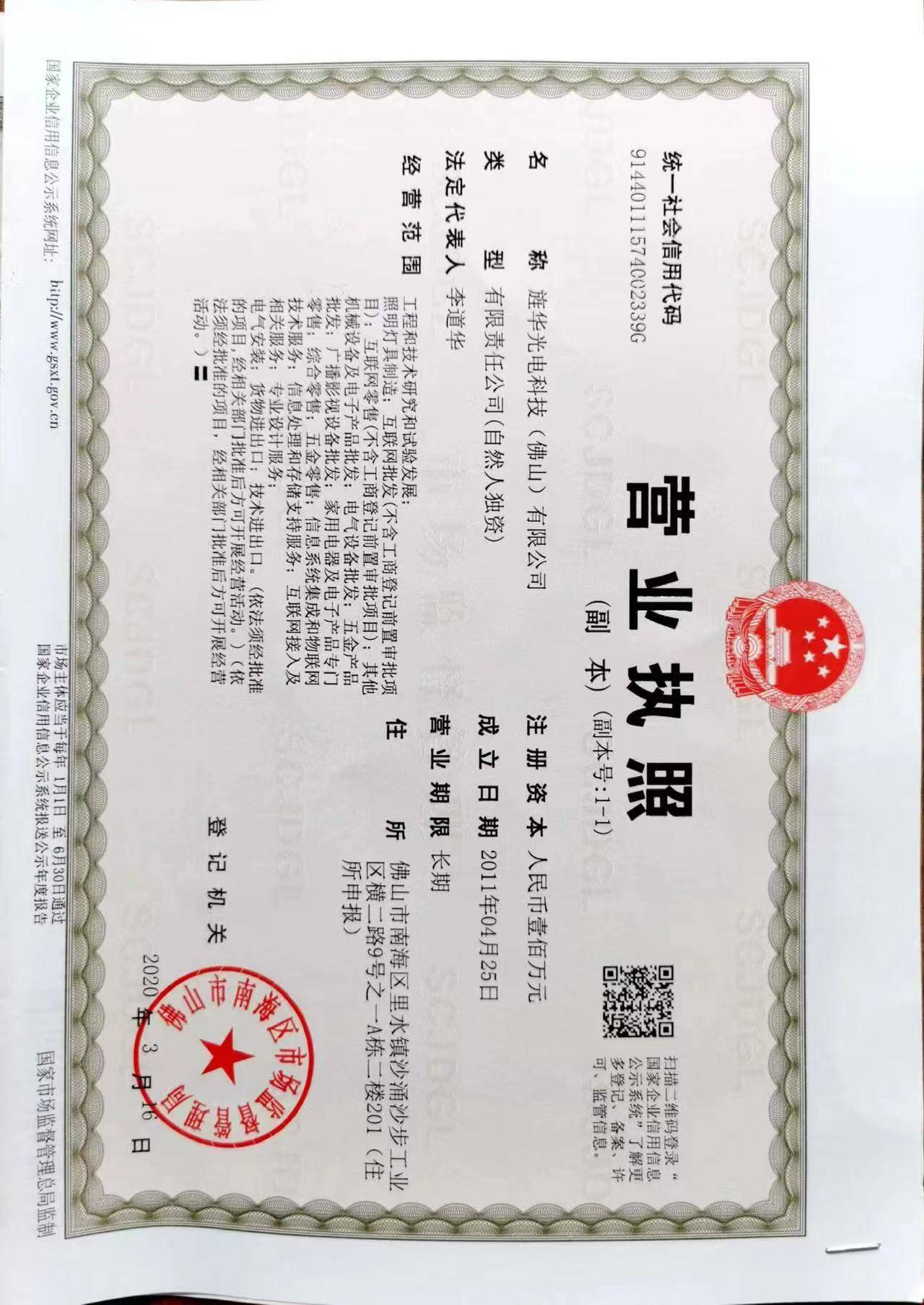
Jinghua optoelectronic technology (foshan) co.,Ltd
Address: 201, 2nd Floor, Building A, No.9 Heng Er Road, Sha Bu Industrial Zone, Sha Chung, Lishui Town, Nanhai District, Foshan City, China (residence declaration)
TEL:15920366596
FAX:0757-85107703
E-MAIL:jhang@xangsanecn.com

Copyright © 2023 jinghua optoelectronic technology (foshan) co.,Ltd